
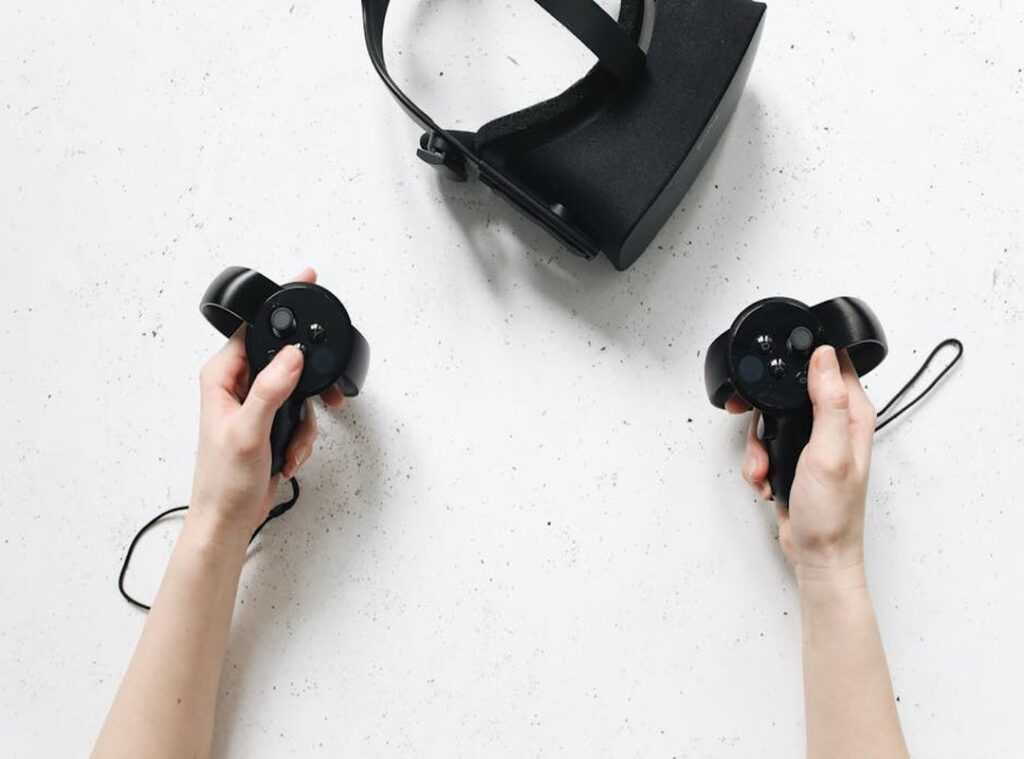
Ever felt like gaming controllers haven’t really changed while everything else in gaming has leaped forward? I mean, sure, we’ve got better graphics and mind-blowing games, but those standard controllers feel like they’re stuck in the past. If you’re nodding your head, you’re not alone.
This is where new gaming controllers come into play. They promise to transform the way we play and interact with games. But let’s be honest, with all the marketing hype, it’s hard to separate real innovation from gimmicks.
That’s why we’re diving into the latest controllers that truly redefine gaming.
Our team eats, sleeps, and breathes hardware trends. We’ve done the research (so you don’t have to) to identify the game-changers. Ready to peek into the future of gaming?
You’ll get a clear, exciting look at what’s next.
What Makes a Controller ‘Modern’ in 2024?
So, what really makes a controller modern in 2024? It’s not just about being the newest gadget on the shelf. A truly new gaming controller transforms how we experience games, offering more than just a shiny exterior. to the specifics.
Immersion is the name of the game. Advanced haptics and adaptive triggers make you feel every in-game explosion or tension in a bowstring. It’s like being in the middle of an action movie rather than just watching it.
How cool is that?
Next, we have personalization. Controllers that adapt to you with modular parts or remappable buttons allow you to tailor your gaming experience just like you would customize your avatar down to the last pixel. Want your controller buttons in a different spot?
No problem.
Then there’s the tech leap beyond traditional buttons. Gyroscopic aiming and hall effect sensors are blurring lines between virtual and reality. It’s almost like having a sixth sense while gaming.
This evolution shreds the norm, shaking up how we interact with games entirely.
Why does this matter to the average gamer? Simple. More immersion means deeper experiences.
More personalization means better control. New inputs break down barriers, making games more intuitive. Check out the rise customizable gaming keyboards to see how these innovations extend to other gaming gear too.
This is why modern isn’t just a marketing term (it’s) a revolution in gameplay.
The Haptic Revolution: Feel the Game Like Never Before
So, here’s the deal. Gone are the days of controllers that just buzz in your hands. We’re talking new gaming controllers that make you feel like you’re really in the game.
Have you tried the PlayStation 5’s DualSense controller? If not, you’re missing out. The adaptive triggers are something else.
And then there’s the haptic feedback. It’s not just a gimmick. You feel raindrops pattering on your hands, footsteps varying on gravel or grass.
Imagine pulling back a bowstring and feeling the tension. Or the resistance when a gun’s trigger jams. It’s the kind of thing that makes the virtual world feel tangible.
You start to sense the game world with a new layer of depth. Developers aren’t just throwing these features in for fun (though, yes, fun is a big part of it). They use these tools to make the experience richer, more immersive.
It’s like you’re part of the action, not just an observer.
But is this tech really making games more fun? Absolutely. When you’re more connected to what’s happening on screen, it changes everything.
Remember those old-school vibrations? They don’t hold a candle to this. It’s like comparing a tinny radio to a full orchestra.
And it’s not just PlayStation leading the charge. Other controllers and third-party tech are pushing boundaries too. If you’re hunting for the best game controller for every gaming setup, it’s worth exploring what’s out there.
So, do these controllers boost the experience? In my view, yeah, they do. It’s a revolution in gaming sensation.
And once you’ve felt it, there’s no going back.
Your Controller, Your Rules: The Rise of Modularity
Why settle for a cookie-cutter controller when you can have one tailored to your every whim? Modular controllers are changing the game. They’re the ultimate form of personalization.
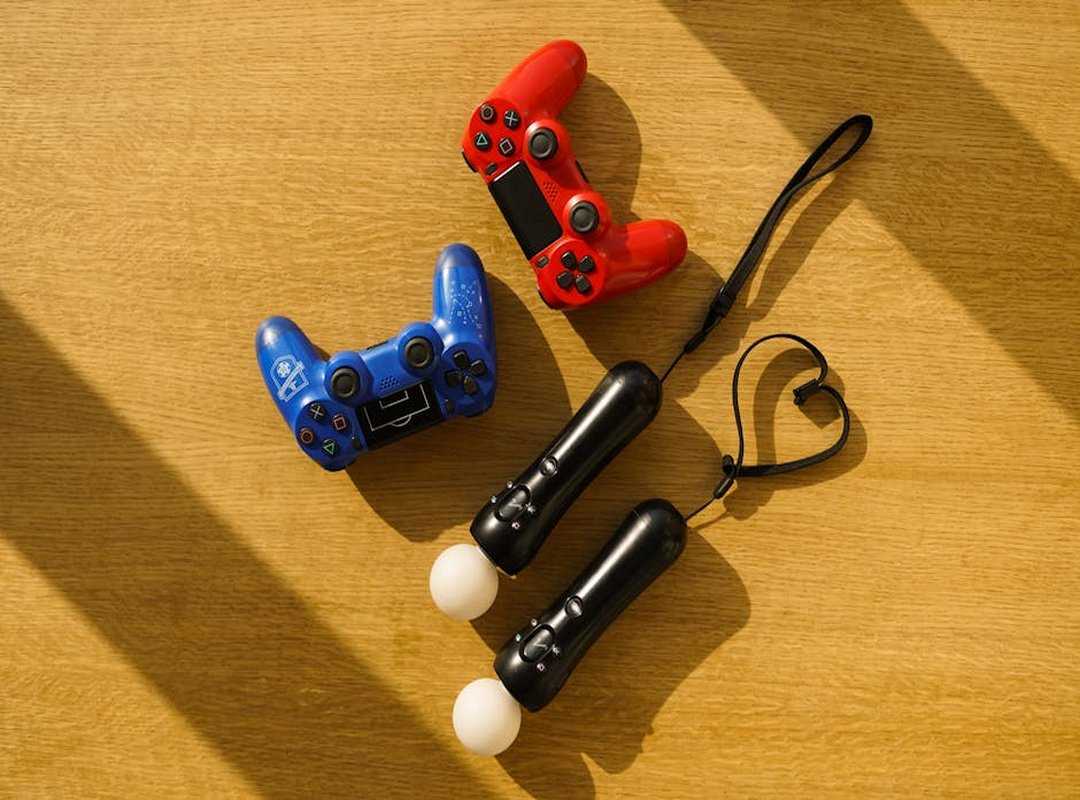
You can swap out thumbsticks, change your D-pad, and even remove those pesky back paddles if they’re not your thing. Think about it. How many times have you wished for a controller that fits just right?
Take the Xbox Elite Series or SCUF controllers. These aren’t just controllers; they’re customizable beasts. Want a taller thumbstick for better precision?
Easy. Need a different D-pad for those fighting games? Done.
The possibilities are endless. You can adapt your controller to fit your play style, not the other way around.
Now, let’s talk benefits. For competitive players, having back paddles can be a game-changer. You can jump or reload without lifting your thumbs off the sticks.
Speed advantage? Absolutely. It’s like having a secret weapon in your hands.
And for those who value comfort and accessibility, modular controllers are a blessing. Swapping components can make your gaming experience more ergonomic, especially during those marathon sessions.
But what about those with specific physical needs? Modularity isn’t just a luxury; it’s necessary. It allows everyone to enjoy gaming comfortably.
And that’s what makes these new gaming controllers so game-changing. They break the mold and offer something for everyone.
If you’re diving into the world of gaming, it’s key to consider your gear. Controllers, monitors, everything matters. Speaking of which, if you’re curious about how displays can impact your gameplay, you might want to check out the gaming monitors features that matter most.
It’s not just about the controller, after all.
Beyond the Buttons: The Next Wave of Gaming Input
to what’s shaking up the world of gaming controllers. First off, Hall effect sensors are stepping into the spotlight. These magnetic sensors are a game-changer.
Why? They prevent “stick drift” (you know, that annoying issue where your character moves on its own). This is a huge leap in durability and reliability.
Nobody likes their controller acting possessed, right?
Then there’s gyroscopic aiming. Imagine having mouse-like precision while using a controller. It’s a dream for many gamers, especially those on the Nintendo Switch or Steam Deck.
This isn’t some far-off fantasy. It’s here, and it’s making a big impact. If you’ve tried it, you know what I’m talking about.
If not, you’re missing out.
But wait, there’s more. Let’s talk about the experimental tech on the horizon. Biometric sensors are being explored.
Imagine your game adapting to your heart rate or stress levels. It sounds wild, but it’s closer than you think. These aren’t sci-fi dreams.
They’re features that could soon solve real gamer frustrations.
Are these new gaming controllers the future? Absolutely. They’re not just cool gadgets.
They’re solving problems and enhancing the gaming experience in ways we couldn’t have imagined a few years ago. That’s exciting. So what’s next?
Only time will tell, but one thing is clear: the future of gaming input is shaping up to be changing. Keep an eye on these developments. They’re not just buzzwords.
They’re changing the game.
Level Up Your Game
Tired of controllers that feel like they’re holding you back? I get it. Those generic, one-size-fits-all controllers can’t keep up with modern gaming demands.
But here’s the good news: new gaming controllers change everything. They offer immersion, personalization, and reliability like never before. Why settle for less?
Picture yourself diving into a game with a controller that feels like an extension of your hand. Now’s the time to rethink your setup. Explore options tailored to your style.
Raise your gaming experience today. Ready to make the switch? Discover your perfect controller and start gaming at your best.
 There is a specific skill involved in explaining something clearly — one that is completely separate from actually knowing the subject. Henry K. has both. They has spent years working with digital infrastructure insights in a hands-on capacity, and an equal amount of time figuring out how to translate that experience into writing that people with different backgrounds can actually absorb and use.
Henry tends to approach complex subjects — Digital Infrastructure Insights, Tech Setup Tutorials, Knowledge Vault being good examples — by starting with what the reader already knows, then building outward from there rather than dropping them in the deep end. It sounds like a small thing. In practice it makes a significant difference in whether someone finishes the article or abandons it halfway through. They is also good at knowing when to stop — a surprisingly underrated skill. Some writers bury useful information under so many caveats and qualifications that the point disappears. Henry knows where the point is and gets there without too many detours.
The practical effect of all this is that people who read Henry's work tend to come away actually capable of doing something with it. Not just vaguely informed — actually capable. For a writer working in digital infrastructure insights, that is probably the best possible outcome, and it's the standard Henry holds they's own work to.
There is a specific skill involved in explaining something clearly — one that is completely separate from actually knowing the subject. Henry K. has both. They has spent years working with digital infrastructure insights in a hands-on capacity, and an equal amount of time figuring out how to translate that experience into writing that people with different backgrounds can actually absorb and use.
Henry tends to approach complex subjects — Digital Infrastructure Insights, Tech Setup Tutorials, Knowledge Vault being good examples — by starting with what the reader already knows, then building outward from there rather than dropping them in the deep end. It sounds like a small thing. In practice it makes a significant difference in whether someone finishes the article or abandons it halfway through. They is also good at knowing when to stop — a surprisingly underrated skill. Some writers bury useful information under so many caveats and qualifications that the point disappears. Henry knows where the point is and gets there without too many detours.
The practical effect of all this is that people who read Henry's work tend to come away actually capable of doing something with it. Not just vaguely informed — actually capable. For a writer working in digital infrastructure insights, that is probably the best possible outcome, and it's the standard Henry holds they's own work to.