
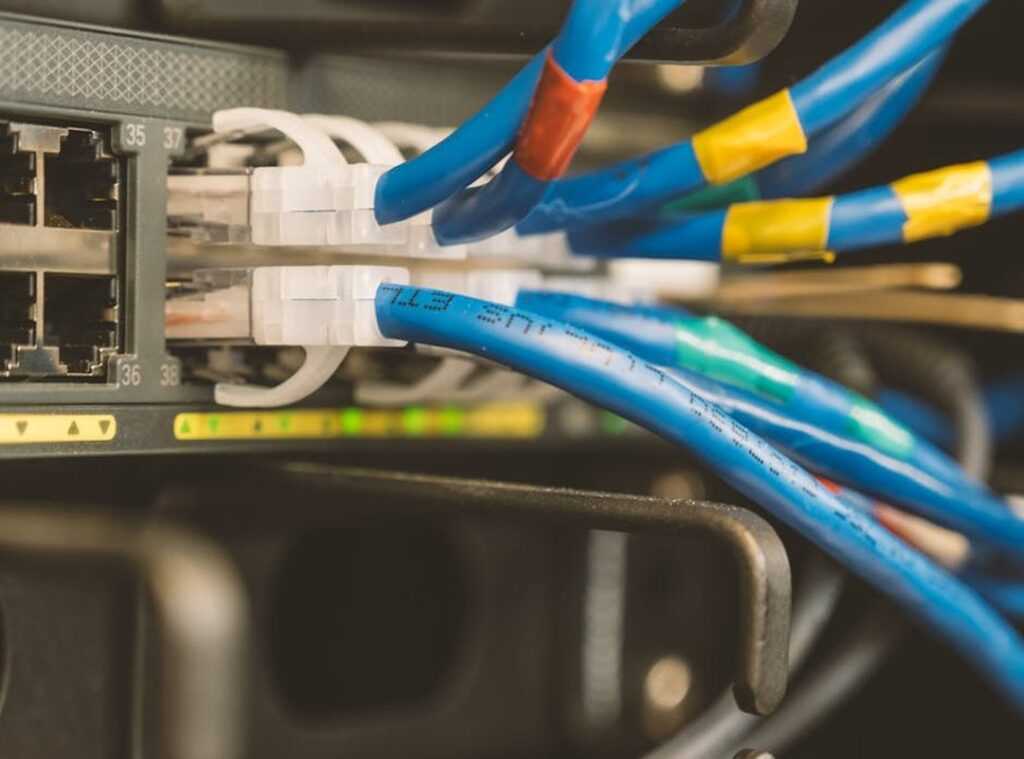
Ever lined up the perfect headshot only for a lag spike to ruin it? Annoying, right? You think it’s just “bad Wi-Fi,” but there’s more to it.
This isn’t just about routers or spotty signals. It’s network latency online gaming. We’re diving into what’s really causing those infuriating delays.
Forget the usual advice. We’ll dissect the underbelly of digital infrastructure and hardware that impacts your gaming experience. From network protocols to the latest in gaming tech, we’ve got the takeaways you need.
Why trust this? Because we’ve studied the digital backbone of online gaming, and we know what works. By the end, you’ll have a clear roadmap to tackle immediate issues and future-proof your setup.
Let’s get rid of that lag once and for all.
Unseen Enemies: Latency, Jitter, and Packet Loss
Imagine you’re shooting off a message to a friend. You wait for their reply, right? That’s latency in a nutshell.
It’s the time it takes for your command to cross the digital void and return with a response. When you’re gaming online, low latency is king. Why?
Because a fast reply keeps your game smooth. Sure, you might think more bandwidth is better, but it’s the quick back-and-forth that truly matters for a smooth experience.
Now, let’s talk jitter. Ever heard a drummer who can’t quite keep time? That’s your internet on jitter.
This inconsistency can throw your game out of whack, turning what should be a smooth ride into a bumpy mess. It’s not just annoying. It can be the difference between victory and defeat.
Packet loss is like trying to solve a puzzle with missing pieces. When parts of your game’s data don’t make it to you, your system tries to fill the gaps. Sometimes it guesses wrong, causing stutters or even teleportation in-game.
Not exactly how you planned to win, is it?
Thankfully, you don’t have to live with these issues. Most games have built-in network stats to check your connection health. There are also free online tools to diagnose problems.
Want a more stable setup? Consider edge computing boosting gaming performance. It might just offer the edge you need.
You’ll find that understanding these unseen enemies makes a world of difference in your online gaming. Why struggle when you can simply, and smartly, fix it?
Your Immediate Battle Plan: Tactical Fixes for a Smoother
First off, let’s talk about Ethernet cables. You’ve heard it before (ditch) Wi-Fi and go wired. But why?
Wi-Fi is like the wild west of signals, constantly fighting interference from other devices and physical barriers. Ever notice the lag during peak Netflix hours? Exactly.
A wired connection gives you stability and speed, turning your gaming into less of a gamble.
Now, let’s configure Quality of Service (QoS) on your router. Sounds techy, but bear with me. QoS prioritizes your gaming devices or applications, ensuring they get the first slice of the bandwidth pie.
Log into your router’s settings. Find the QoS section. Add your gaming device’s MAC address.
Done. It’s like giving your console VIP treatment without the velvet rope.
Next, we need to talk DNS servers. Don’t zone out yet. DNS is like the phone book of the internet, translating domain names into IP addresses.
Want potentially faster lookup times? Test public DNS services like Google DNS or Cloudflare DNS. This simple switch can shave milliseconds off your network latency online gaming experience (and every millisecond counts).
Let’s not forget about your PC or console. Close background applications like cloud syncs or streaming services. They hog bandwidth.
Make sure your network drivers are updated. It sounds mundane, but it’s key. And for the love of all things holy, disable auto-updates during gaming sessions.
Nobody needs a surprise patch download while storming Normandy.
Pro tip: Restart your router once a week. Yes, seriously. It clears out old data and can improve connection speeds.
Think of it like rebooting your brain after a long day. You’ll thank me later.
Finally, if you’re really serious about reducing network latency online gaming, consider fiber. It’s not cheap, but for some, it’s worth the investment. Fiber offers lower latency and higher speeds, making it the ultimate choice for hardcore gamers.
Important Hardware for Gaming: More Than Just a Router
Let’s get real about gaming routers. You know the ones with flashy LEDs and “gamer” in the name? They’re everywhere.
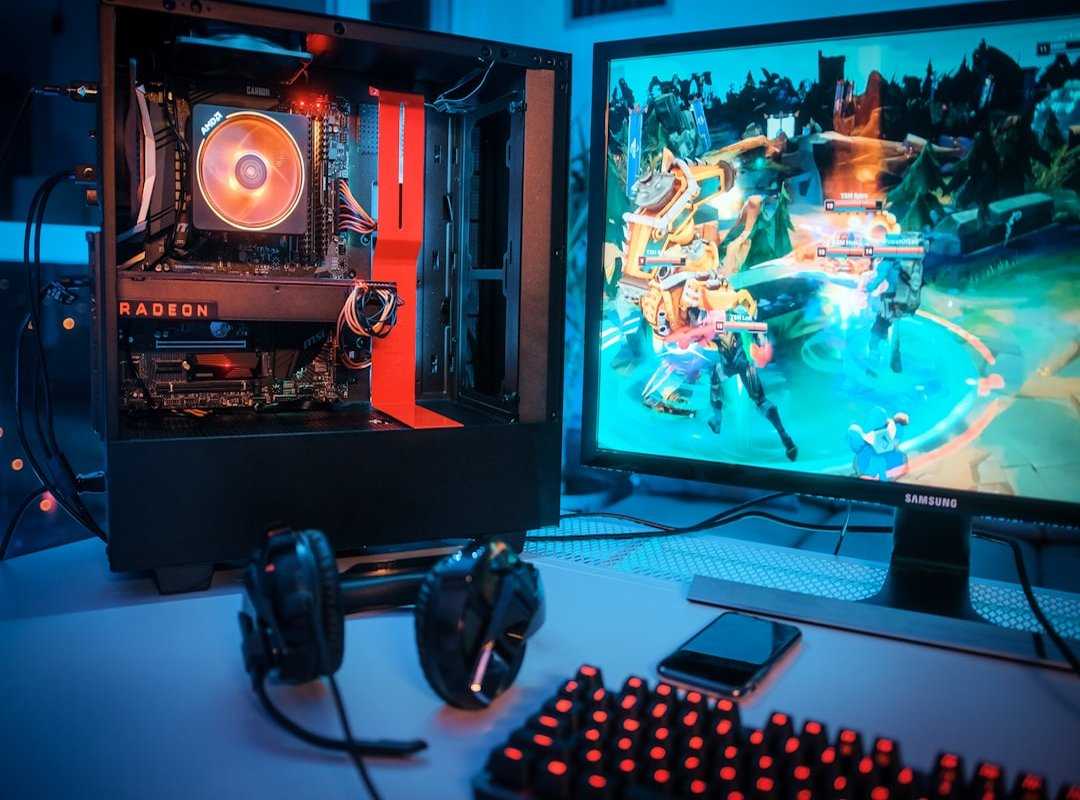
But do they actually help? Not unless they’re packing serious hardware. A solid processor and ample RAM can make all the difference.
They handle multiple devices without breaking a sweat. And then there’s intelligent QoS (Quality of Service) engines. These prioritize gaming data, cutting down on network latency in online gaming.
That’s the real deal (not just marketing fluff).
Ever heard of MoCA adapters? They’re not as popular, but they should be. These little gadgets can transform your existing coaxial cable lines into a stable, wired connection.
Perfect for when Ethernet cables aren’t an option. It’s like having a secret tunnel that’s faster and more reliable than Wi-Fi. But hey, don’t take my word for it.
Try it yourself.
Now let’s talk Mesh Wi-Fi systems. They’re all the rage these days. And yes, they give you great coverage.
But if you’re serious about gaming, connect your main console or PC directly to the primary node with an Ethernet cable. Otherwise, you might not get the performance you want. It’s like trying to watch a movie with buffering.
Nobody wants that.
And don’t forget your modem. A modern one, like DOCSIS 3.1 for cable, is key. It ensures your connection from the ISP to your home isn’t the bottleneck.
You wouldn’t put a race car engine in a sedan and expect it to perform, right?
If you want to dive deeper into this topic, check out building flexible digital infrastructure 2024. It’s packed with takeaways that’ll help you level up your setup.
The Horizon of Connectivity: What’s Next for Lag-Free Gaming?
Let’s talk about Wi-Fi 7. This new tech marvel, with its Multi-Link Operation (MLO), is about to change the game. Literally.
By using multiple bands at once, it creates a more stable and lower-latency connection. Gamers like me are always on the hunt for that edge (not a pun). You know what I’m saying?
Then there’s fiber internet. It’s a big deal because of its symmetrical upload/download speeds. More importantly, it has lower latency than cable or DSL.
This means smoother gameplay and fewer rage quits. If you’ve gamed online, you know how key that is.
Now, what’s this about edge computing? It’s like moving fast food joints closer to your house so you get your burgers quicker. Game companies are placing servers closer to us, reducing the distance data has to travel.
This directly cuts down network latency in online gaming. Sounds like a win, right?
All these advancements are setting the stage for lag-free gaming. No more blaming the internet for missed shots or lost matches. As these technologies roll out, I’m excited to see how they’ll reshape our gaming experiences.
Are you ready for this new era of connectivity?
Raise Your Game: Say Goodbye to Lag
Lag isn’t just about slow internet. It’s the sneaky culprits like latency and jitter that ruin your gaming. Get them under control, and you’ve got the edge.
Smart choices in hardware matter. Software tweaks can get you quick wins. Long-term?
Upgrade your setup. It’s a plan that pays off. You’ve got the tools.
Ready to crush lag? Start simple. Run a packet loss test tonight.
It’s the first step to smoother gaming. Network latency online gaming doesn’t have to be a headache. Ready to level up? Your competitive advantage is just a test away.
Dive in now.
 Geoffrey Southernovalen is the kind of writer who genuinely cannot publish something without checking it twice. Maybe three times. They came to tech setup tutorials through years of hands-on work rather than theory, which means the things they writes about — Tech Setup Tutorials, Innovation Alerts, Digital Infrastructure Insights, among other areas — are things they has actually tested, questioned, and revised opinions on more than once.
That shows in the work. Geoffrey's pieces tend to go a level deeper than most. Not in a way that becomes unreadable, but in a way that makes you realize you'd been missing something important. They has a habit of finding the detail that everybody else glosses over and making it the center of the story — which sounds simple, but takes a rare combination of curiosity and patience to pull off consistently. The writing never feels rushed. It feels like someone who sat with the subject long enough to actually understand it.
Outside of specific topics, what Geoffrey cares about most is whether the reader walks away with something useful. Not impressed. Not entertained. Useful. That's a harder bar to clear than it sounds, and they clears it more often than not — which is why readers tend to remember Geoffrey's articles long after they've forgotten the headline.